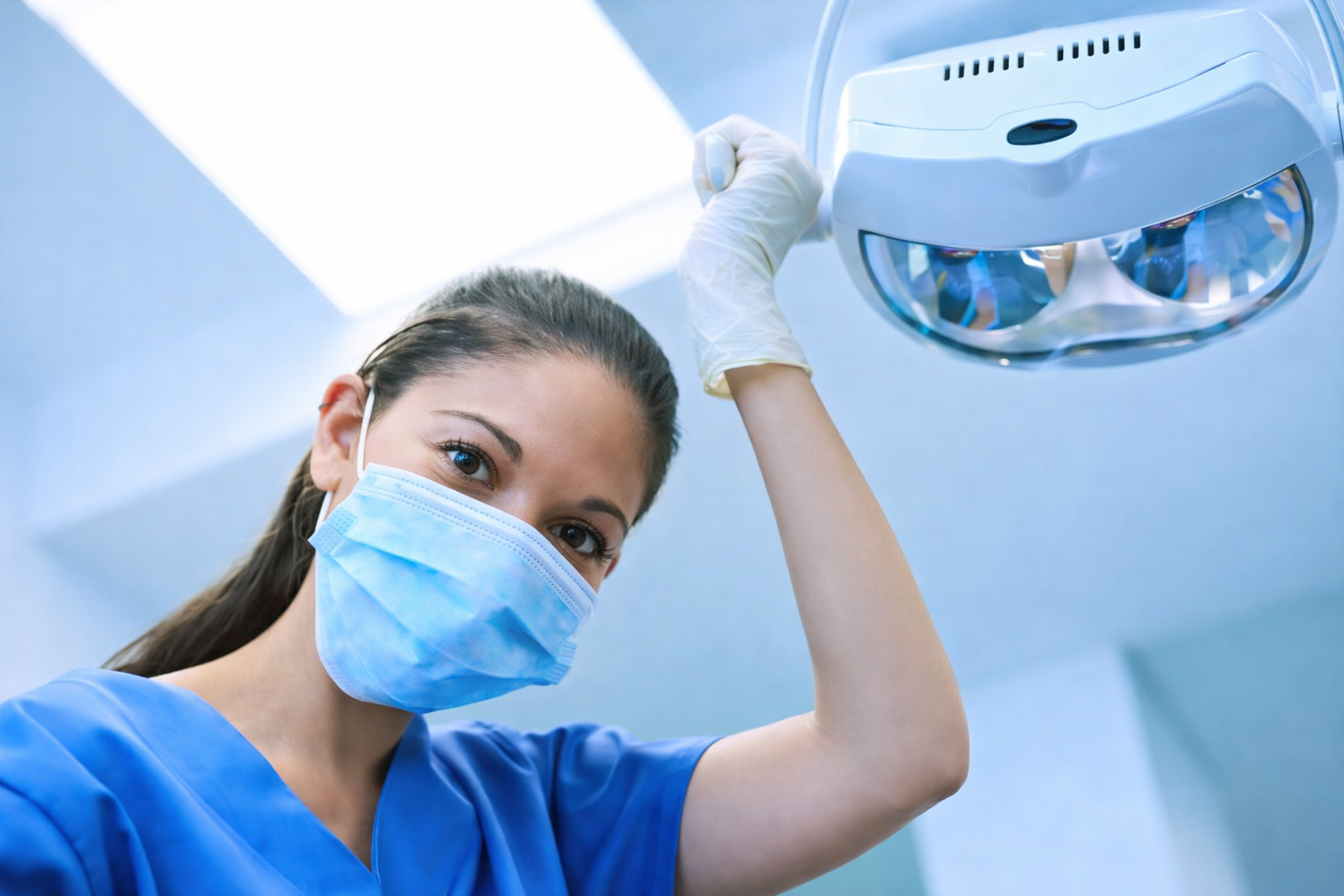
Moving beyond chairside assisting does not mean abandoning it. Chairside work remains essential. What has changed is what sits alongside it.
The modern dental nurse role has expanded quietly but significantly. Regulation, patient expectations, and practice pressures now require dental nurses to contribute far beyond instruments and suction. Yet many qualified nurses still describe their role using outdated language that no longer reflects the responsibility they carry day to day.
This article is not about redefining titles. It is about clarifying reality.
Why the Dental Nurse Role Needs Re-Examining
Dental nursing has evolved faster than the way it is discussed in practice. Many qualified nurses operate under expectations formed years ago, while the profession itself has moved on.
This disconnect creates tension between:
- Responsibility and recognition
- Accountability and authority
- What dental nurses do and how their role is perceived
When that gap remains unaddressed, it often leads to frustration, disengagement, and burnout—not because the role lacks value, but because its value is poorly understood.
The Traditional View: Chairside Support (and Its Limits)
Historically, dental nurses have been viewed primarily as chairside assistants. This framing persists because it is familiar and easy to default to, particularly in busy practices.
However, this narrow view no longer reflects modern dental practice. Patient safety, compliance, documentation, and communication now carry as much weight as clinical dexterity. Remaining confined to a purely supportive identity limits how dental nurses see themselves—and how others engage with their professional judgement.
The Reality Today: Dental Nurses as Accountable Professionals
Qualified dental nurses are regulated professionals with individual accountability for their conduct, competence, and decision-making.
This accountability exists regardless of:
- Job title
- Workplace culture
- Level of autonomy
In practice, this means dental nurses are expected to recognise risk, uphold standards, and act in the patient’s best interest—even when authority is limited or systems are imperfect.
Accountability does not begin at inspection. It exists daily.
What “Beyond Chairside” Looks Like in Practice
Moving beyond chairside assisting does not replace clinical support—it adds to it.
In modern practice, dental nurses contribute across several critical domains:
- Clinical safety and risk awareness
Identifying deviations, omissions, or unsafe patterns before harm occurs. - Compliance and governance support
Maintaining consistency in documentation, audits, and protocols. - Patient communication and experience
Translating clinical information into reassurance and understanding. - Workflow efficiency
Ensuring processes run smoothly across busy, multi-clinician environments. - Professional leadership by behaviour
Setting standards through consistency, not hierarchy.
These responsibilities exist whether they are formally acknowledged or not.
Where Qualified Dental Nurses Add the Most Value
The true value of the dental nurse role is often invisible because it lies in prevention, not intervention.
Qualified dental nurses routinely:
- Anticipate problems before they escalate
- Maintain standards during staff turnover
- Notice patient concerns others miss
- Provide continuity when teams change
These contributions are rarely documented, yet practices rely on them daily. High-functioning practices are rarely held together by systems alone—they are held together by people who notice, anticipate, and stabilise.
Why Practices Depend on This Role
Most failures in dental practice are not clinical. They are systemic.
Common issues include:
- Inconsistent compliance
- Poor documentation
- Communication breakdowns
- Loss of continuity
The modern dental nurse role directly addresses these vulnerabilities. Experienced dental nurses are often the most consistent presence across changing clinicians, rotas, and workflows. Their judgement and vigilance quietly protect both patients and practices.
Accountability Exists Whether You Claim the Role or Not
One of the most challenging aspects of dental nursing today is the imbalance between responsibility and authority.
Dental nurses are accountable to regulators and expected to uphold standards, yet are not always included in decision-making. In response, some nurses minimise their role as a form of self-protection.
While understandable, this does not remove accountability—it only removes agency.
Professional responsibility exists regardless of whether it is acknowledged. Choosing to recognise your role allows you to act deliberately rather than reactively.
From Helping to Owning Outcomes
At the heart of the modern dental nurse role is an internal shift—from helping to owning outcomes.
This does not mean overstepping boundaries or assuming authority over others. It means recognising where your actions, observations, and decisions influence safety, quality, and patient experience.
The difference is subtle but powerful:
- Helping tasks vs safeguarding standards
- Being busy vs being effective
- Following processes vs maintaining systems
This shift begins internally, long before it is reflected in job titles.
Common Barriers Qualified Dental Nurses Face
Many dental nurses already work beyond chairside assisting but hesitate to fully embrace this identity. Common barriers include:
- Fear of being seen as overstepping
- Past experiences of being dismissed
- Lack of recognition
- Unclear career pathways
These are structural issues, not personal shortcomings. Acknowledging them is important—but remaining constrained by them limits professional growth and long-term satisfaction.
What This Means for Career Progression
Understanding the modern dental nurse role has long-term implications.
Expanded roles increasingly favour nurses who:
- Think systemically
- Understand governance
- Communicate clearly
- Demonstrate reliability under pressure
Leadership opportunities often emerge informally before they become official. Nurses who already operate beyond chairside assisting are usually the first considered when roles evolve.
Reputation is built quietly, long before progression becomes visible.
A Moment for Reflection
Many qualified dental nurses are already working within the modern role without naming it.
Consider:
- Where do you already work beyond chairside assisting?
- What responsibilities do you carry that are not written down?
- What risks do you prevent without recognition?
Recognising this reality is not about validation—it is about professional clarity.
Setting the Direction Forward
This article is not a call to do more for less. It is a call to see clearly.
The modern dental nurse role is defined by accountability, judgement, and influence—not just clinical assistance. Understanding this allows dental nurses to protect themselves professionally, make strategic career decisions, and engage with practice life from a position of confidence.
Future articles in this series will explore compliance expectations, career pathways, professional protection, and sustainability in greater depth.
Understanding your role is the foundation for everything that follows.
Discover more from Dental Nurse Hub | Learn, Practice & Grow
Subscribe to get the latest posts sent to your email.